- 500R
- 400R
- 300R
- 250R
- 200R
- 150R
- 60R View R-Series
Experience the future of luxury from the most advanced high-performance outboard on the water.
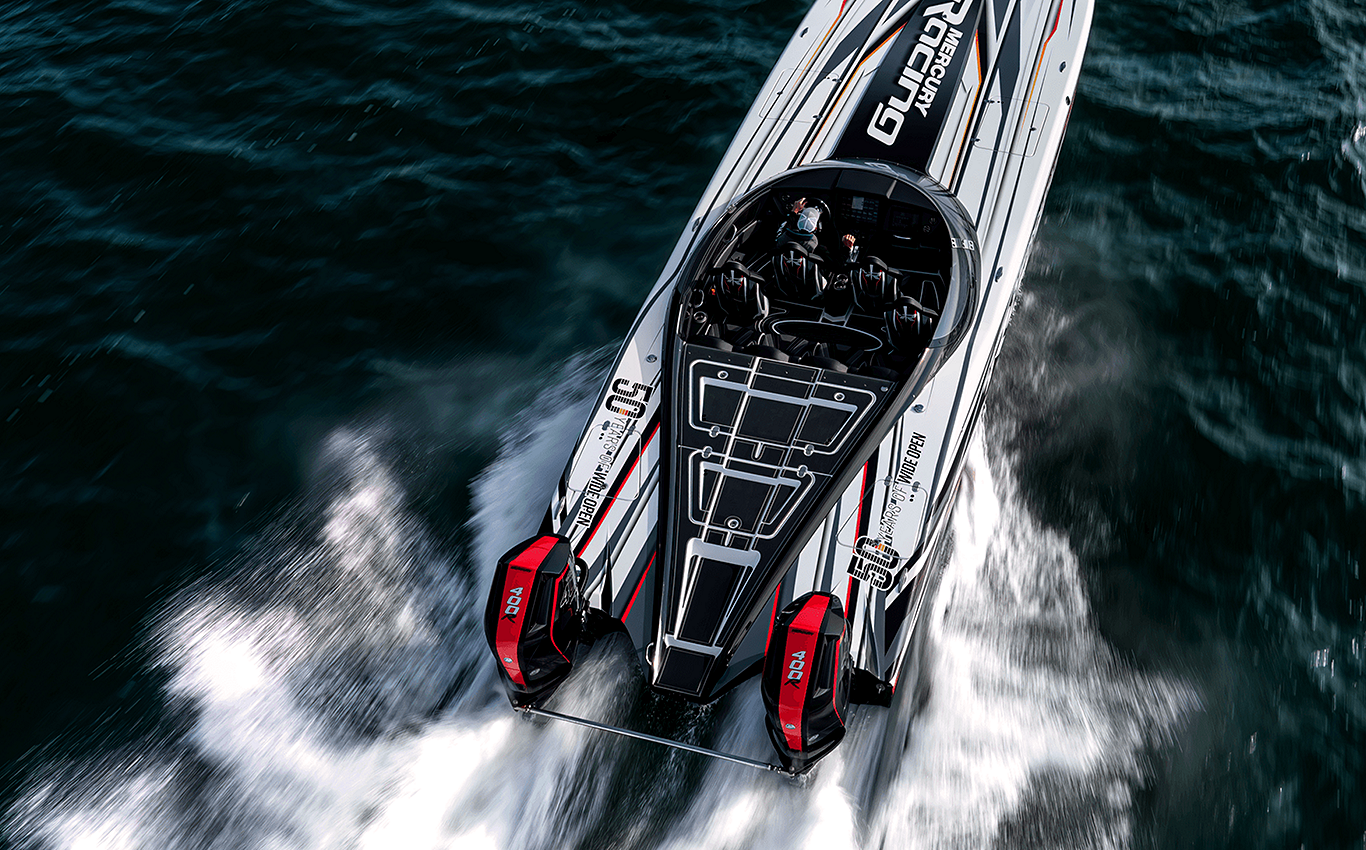
Rise above with the 400R – where extraordinary power meets exceptional drivability.
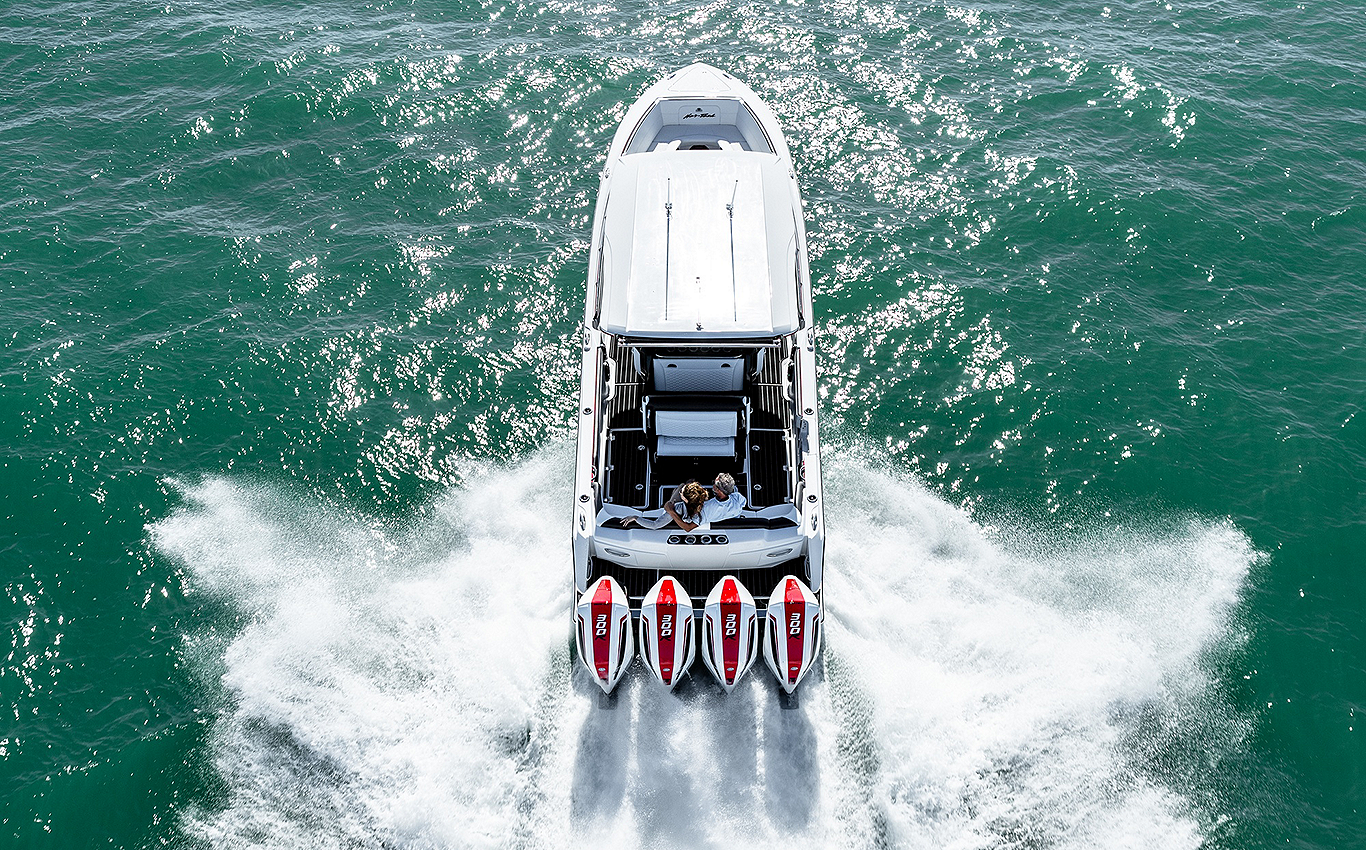
A fusion of breathtaking speed and control, the 300R is pure adrenaline-pumping freedom.
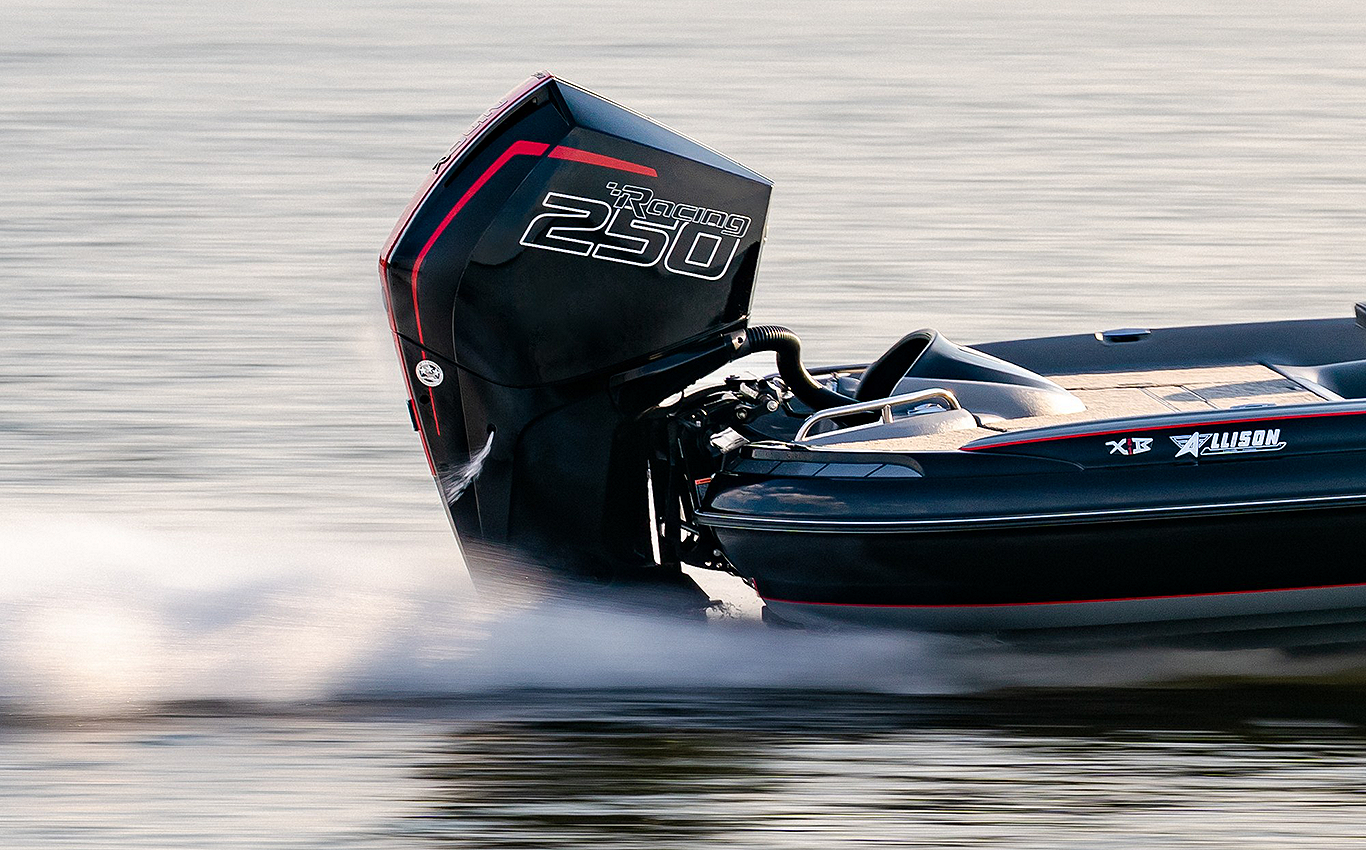
The stunning 250R elevates high performance on single-engine bass and sport boats.
Sophisticated power and digital controls for an exceptionally comfortable high-speed experience.
A lightweight, exhilarating power plant for those who test the limits in midsized high-performance boats.
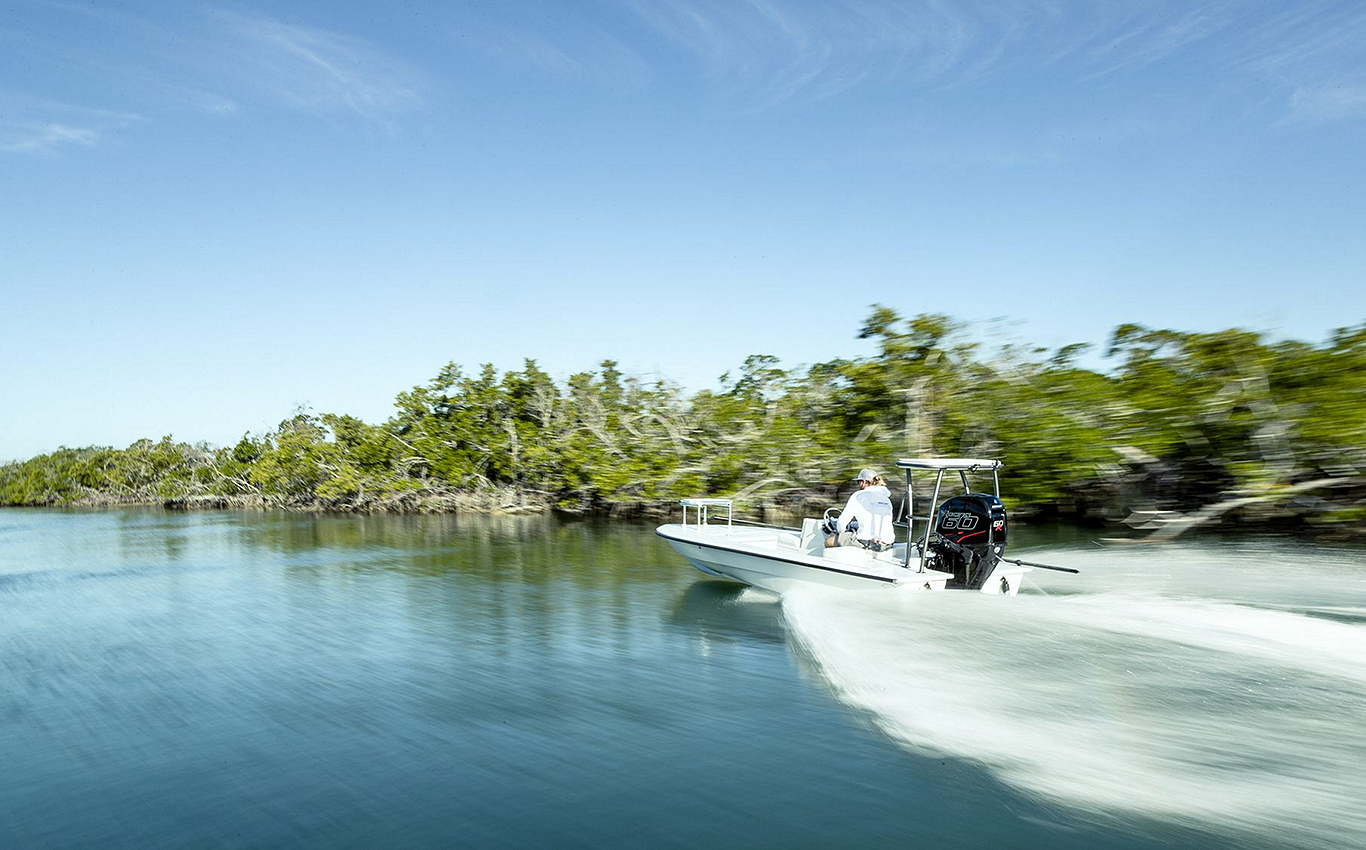
Unleash your potential with the 60R, crafted for serious flats anglers who demand the best.
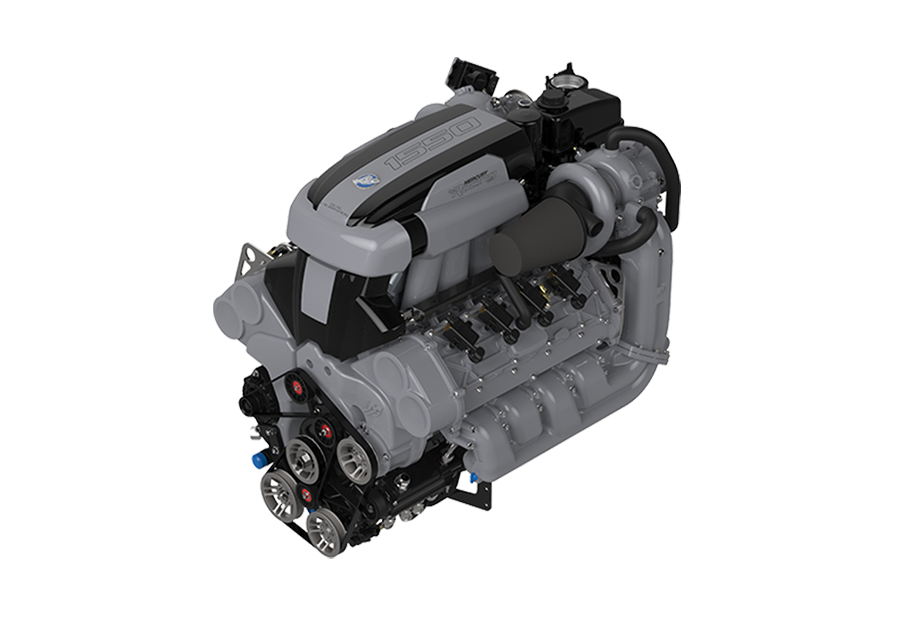
- Dual Cal 1550/1350
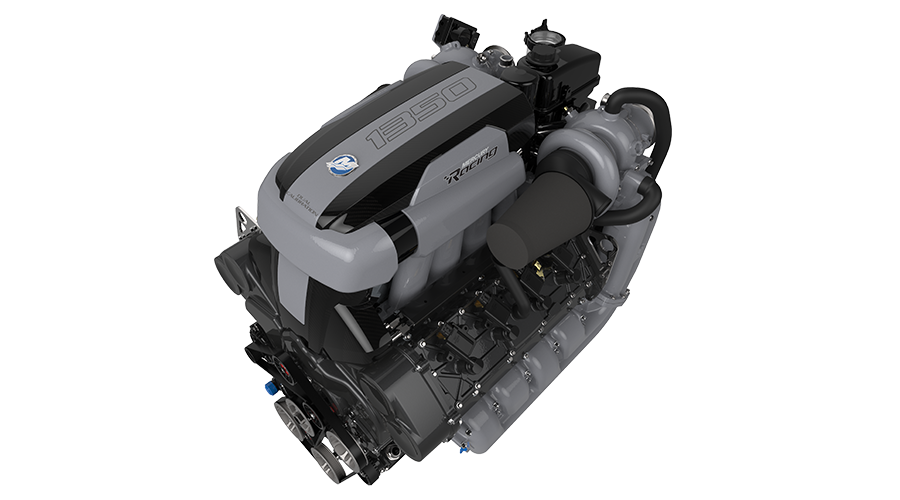
- Dual Cal 1350/1100
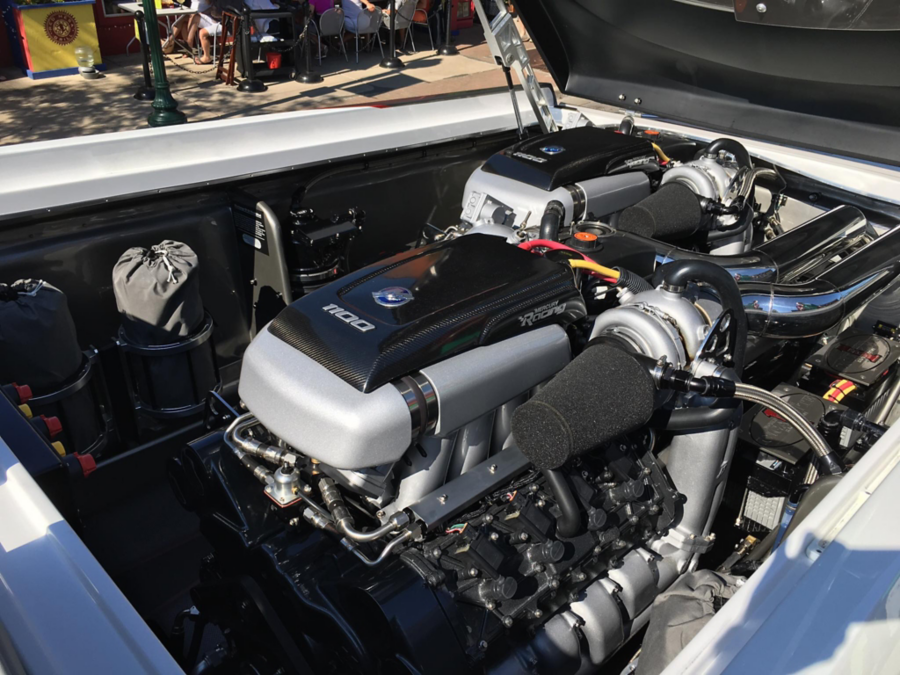
- 1100
- 700 SCI
- 600 SCI
- 565
- 520 View Sterndrives
Unshakeable strength. Unbelievable speeds. Our most powerful sterndrive engine outmuscles all challengers.
Two selectable performance calibrations ensure you maximize your thrills based on available fuel.
With heart-pumping power and monumental torque, the 1100 delivers a purely exhilarating experience.
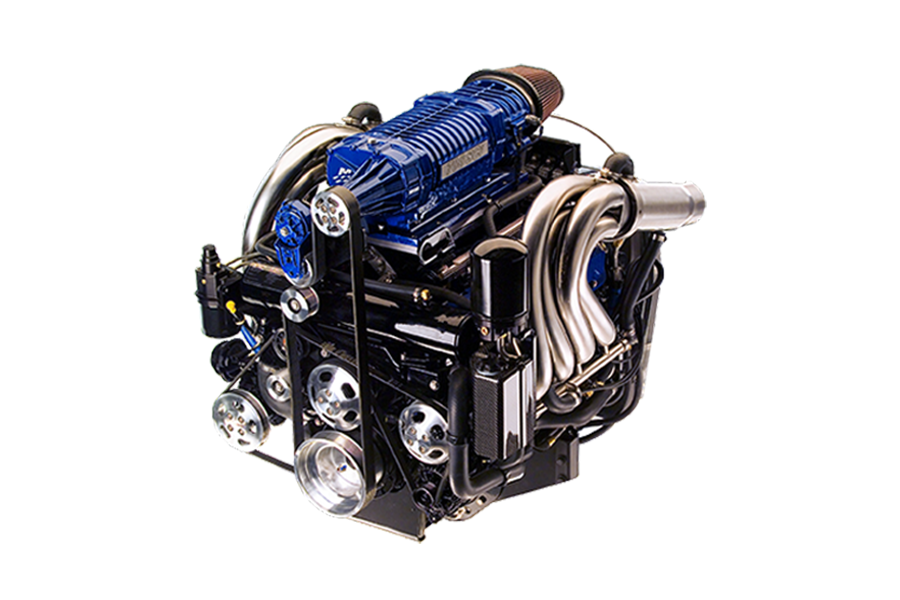
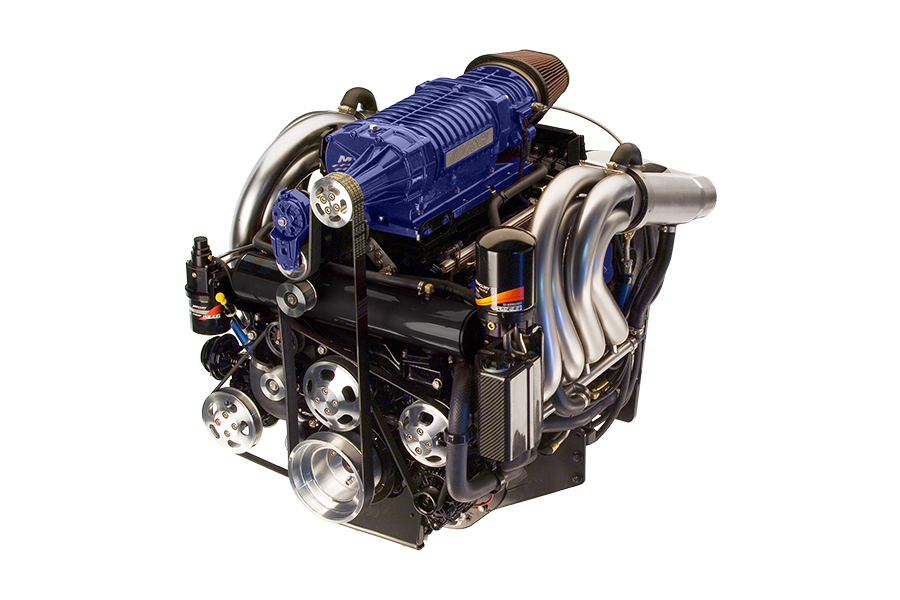
A compact, rugged, supercharged performance machine – the absolute formula for power.
With legendary drive, the 600 SCi shines on high-performance, single-engine boats.
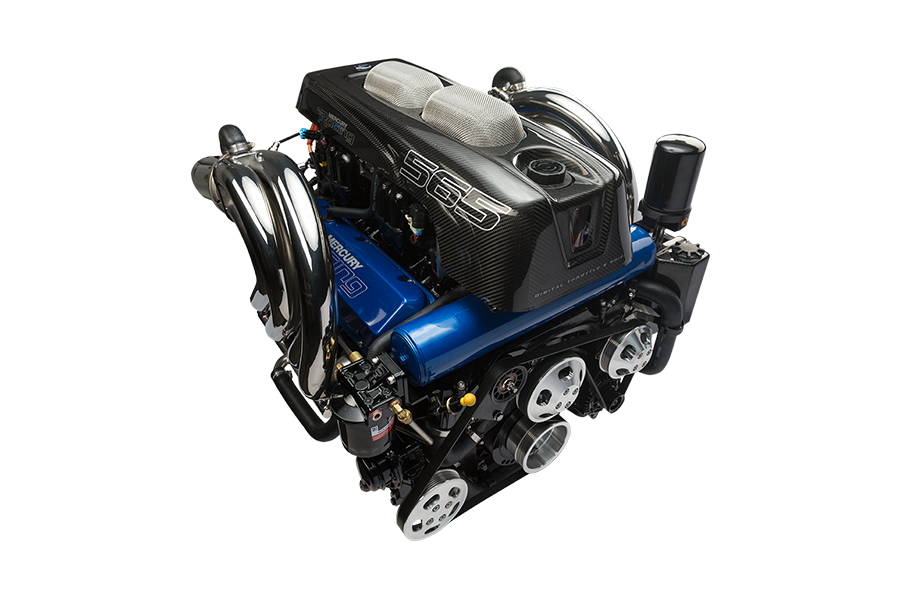
A flawless blend of big-block power and effortless digital control that never fails to impress.
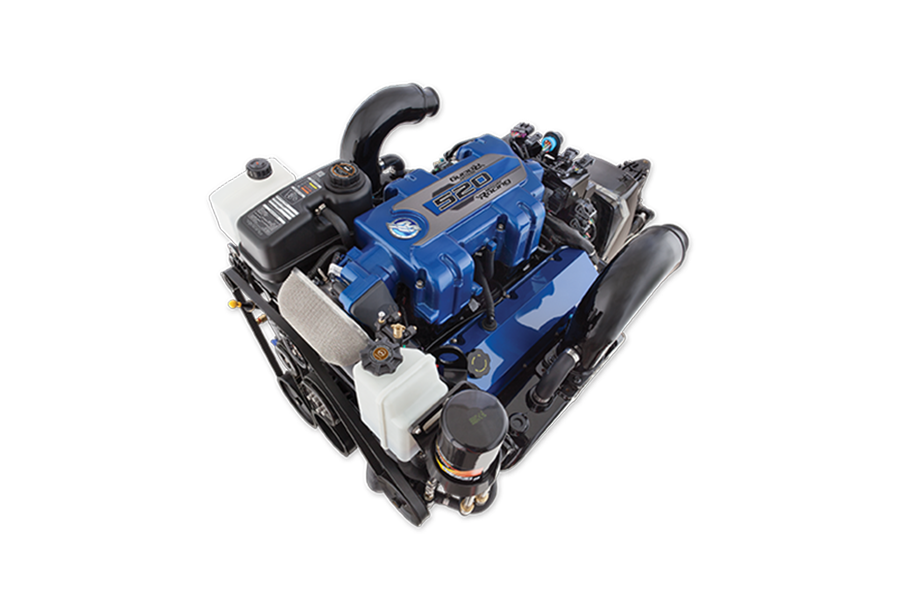
Hand-crafted with precision, this compact powerhouse cranks out 520hp of back-in-your-seat performance.
- ROS
- APX
- Sterndrive
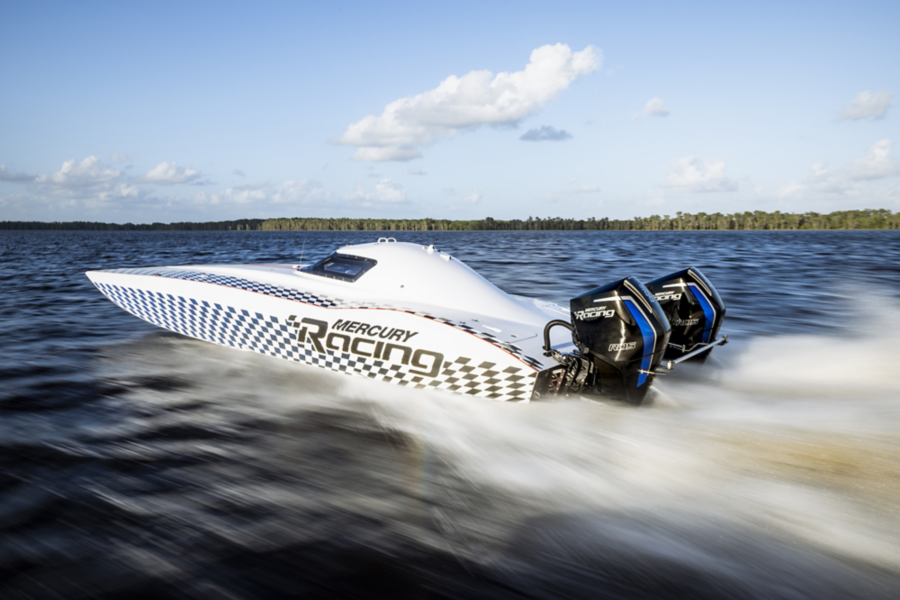
On the challenging waters of offshore powerboat racing, nothing can match the strength of the ROS series.
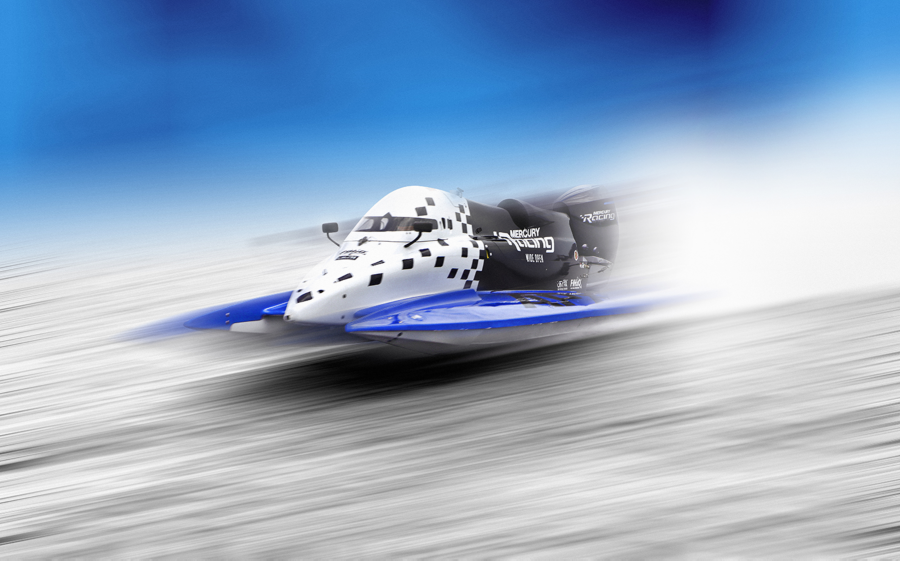
APX engines dominate closed-course powerboat competition with the most advanced four-stroke racing technology.
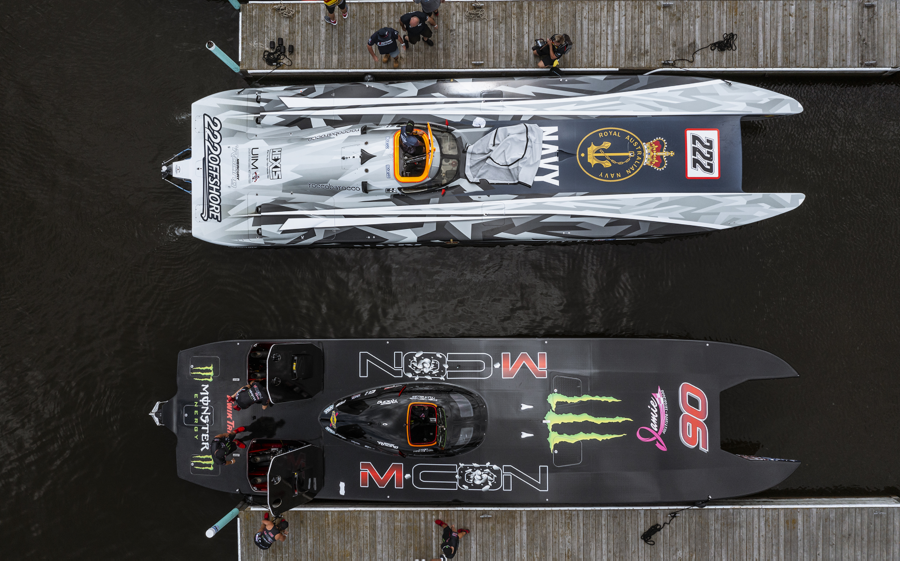
When the only option is winning, offshore racers turn to Mercury Racing sterndrive competition engines.
- Profile
- Precision
- Cases & Covers
- Prop Hub Kits
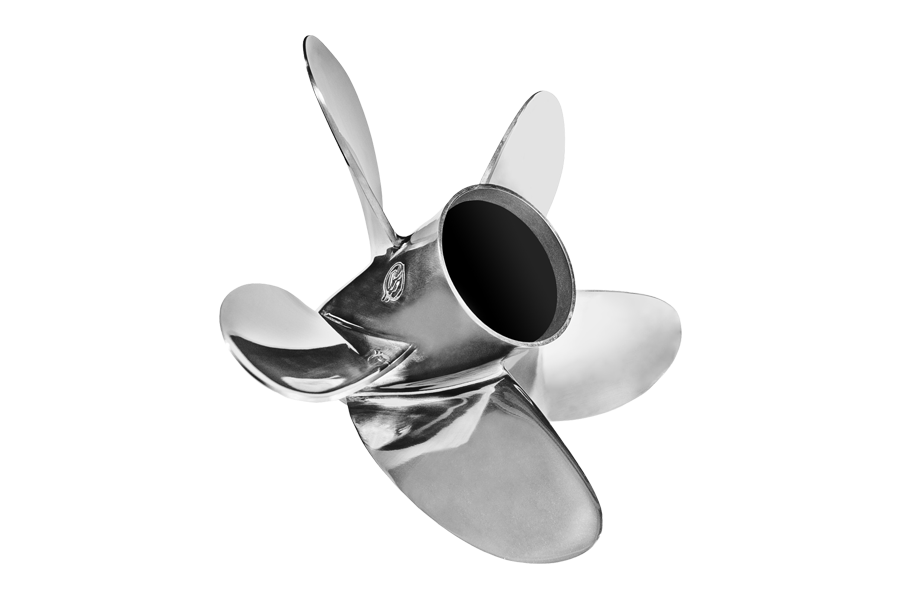
Profile Series props are cast to your specs then expertly tuned and hand-balanced by experienced craftsmen.
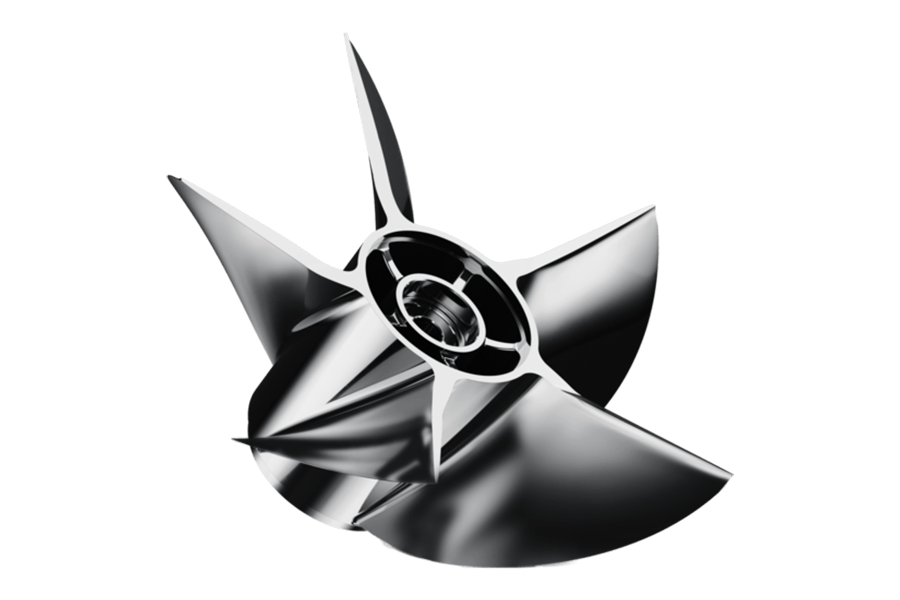
Precision Series props are sculpted to perfection using 5-axis CNC technology.
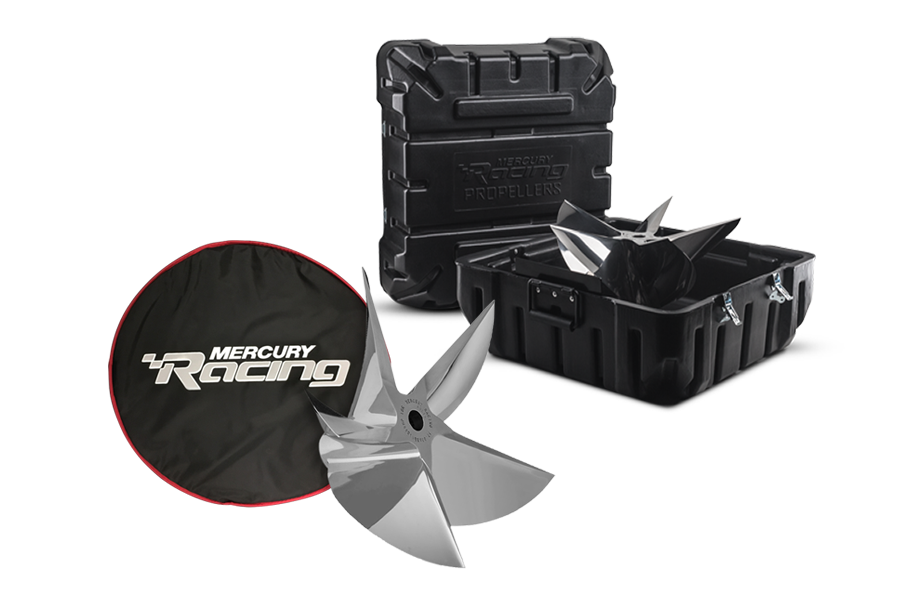
The finest art deserves the best protection, and your Mercury Racing prop is no different.
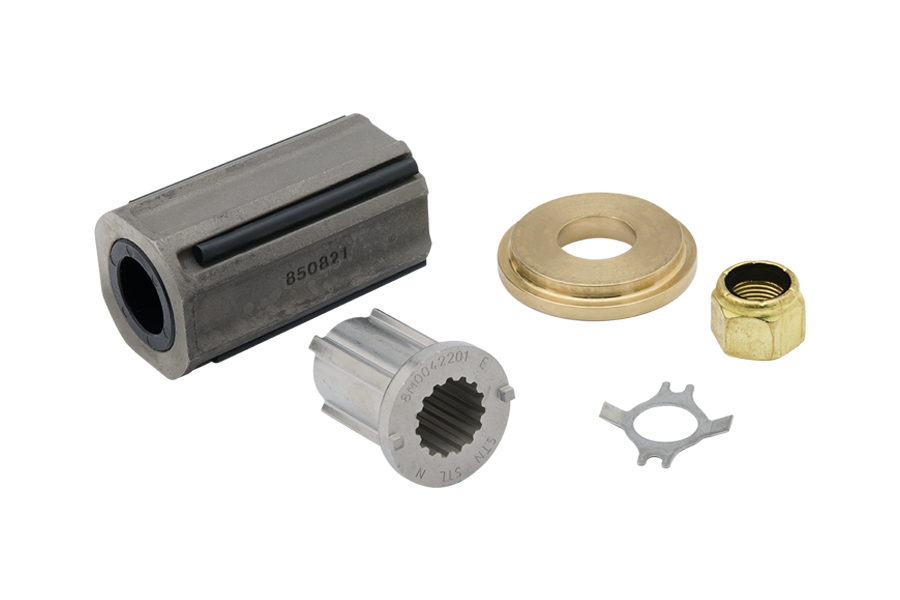
From engine-specific to rugged, high-speed options, Mercury Racing hubs unlock absolute performance.
- Digital Zero Effort Controls
- Joystick Piloting
- Performance Active Trim
- Integrated Transom System
- X-Haust Noise Reducer
- K-Plane Trim Tabs
- DTS Perfomance Pedal
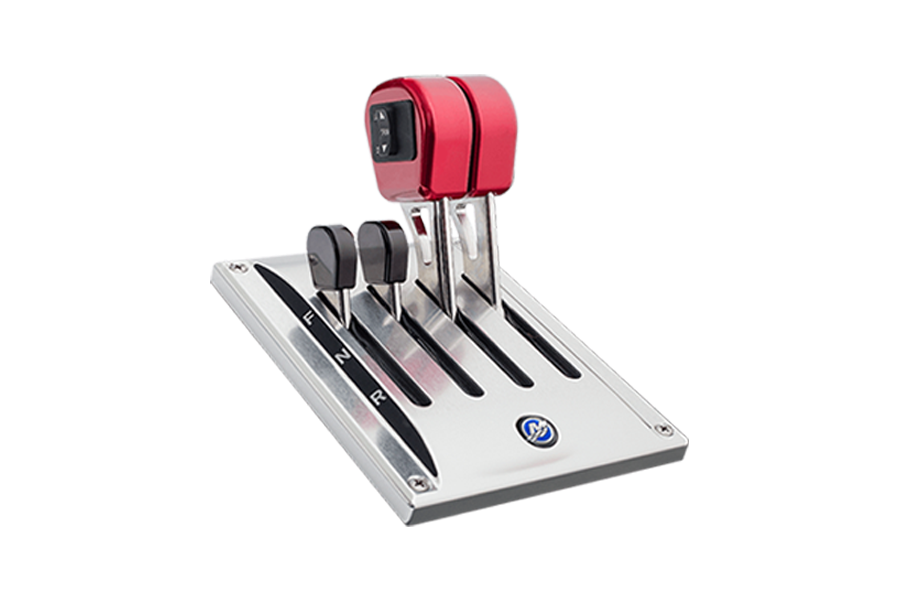
Experience total command from premium digital controls designed for smooth, drive-by-wire precision.
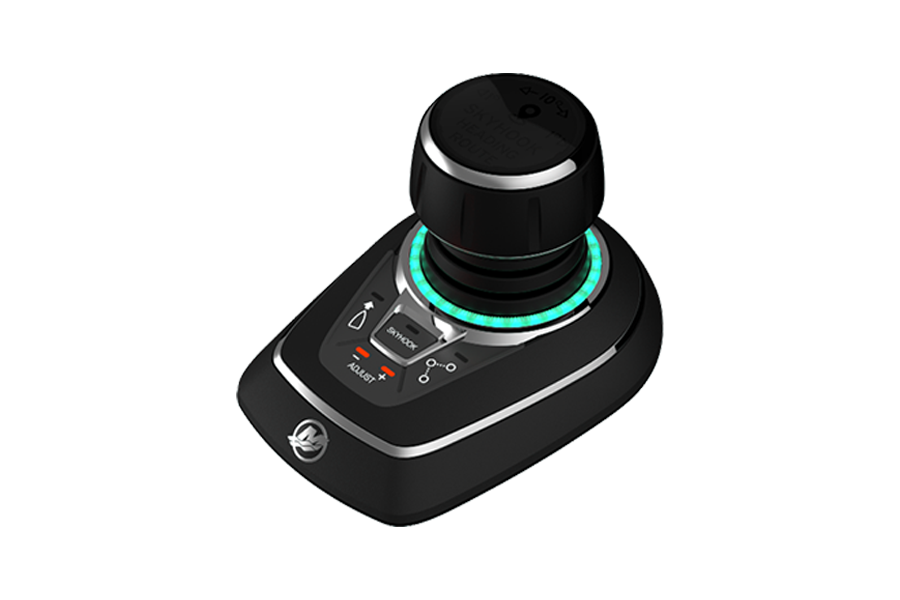
Dock and maneuver with ease thanks to precision-guided 360-degree handling.
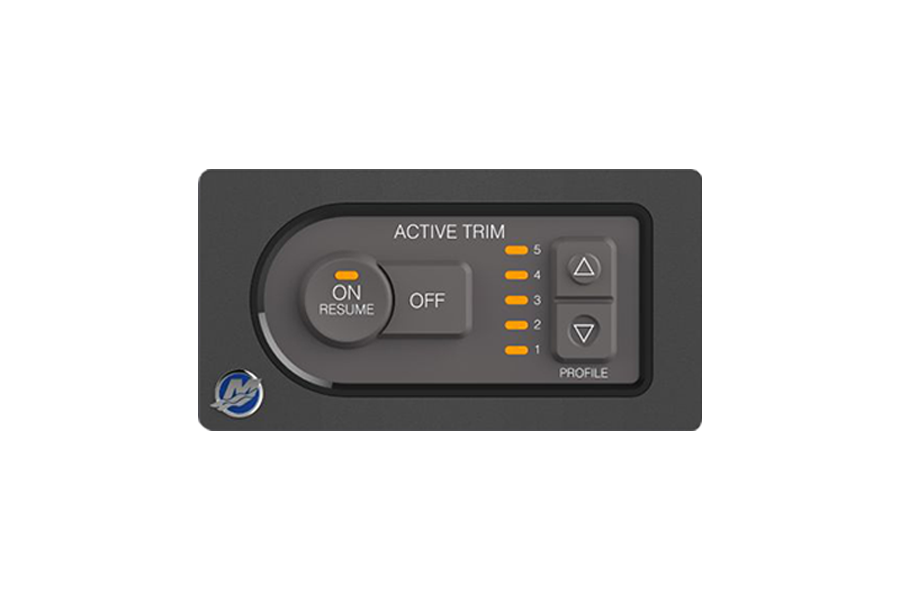
Digitally controlled trim automatically adjusts to ensure the most efficient, smooth ride.
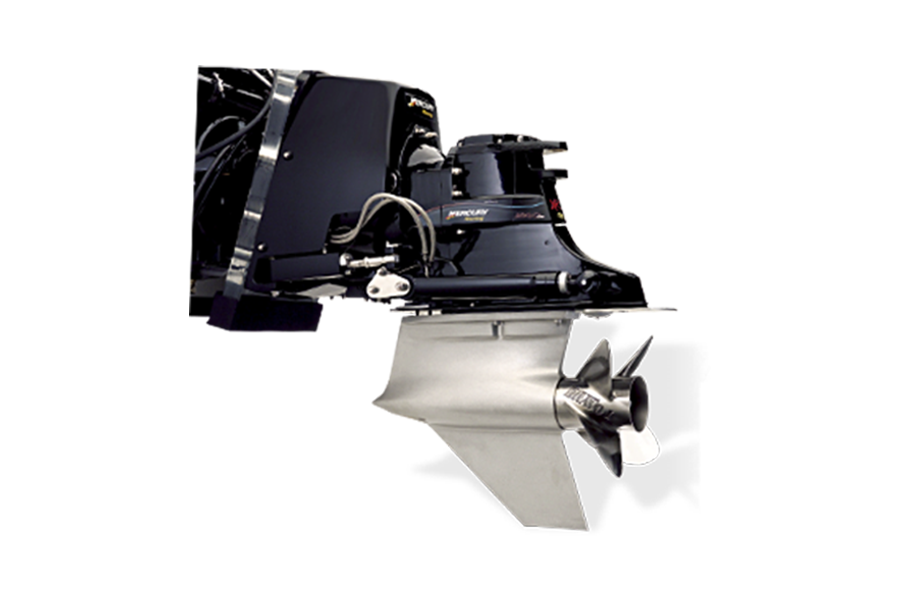
Made for Bravo One XR® sterndrives, with integral power steering cylinders for a clean, pleasing connection.
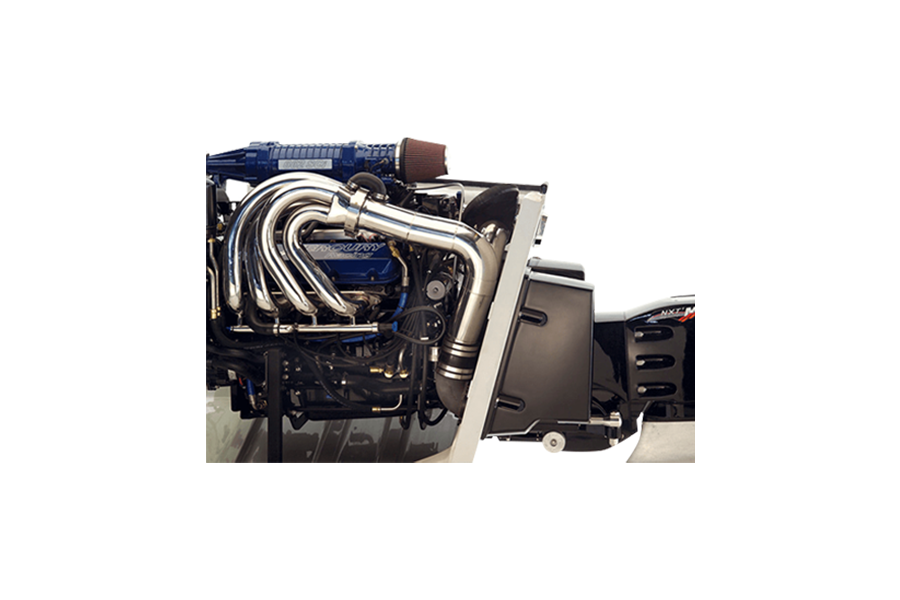
Bring your high-performance sterndrive in compliance with regional noise regulations.
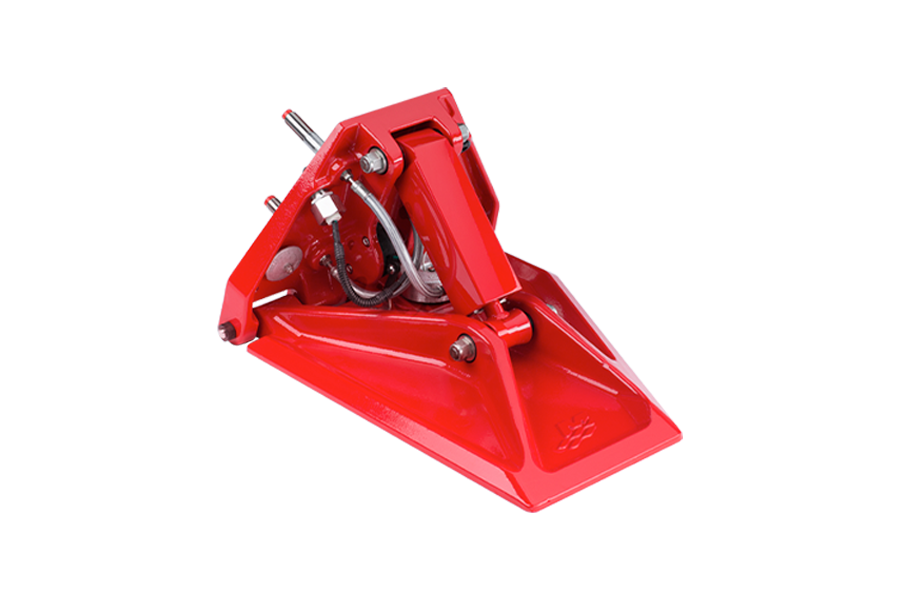
K-Plane® trim tabs maintain instantly responsive performance under the most punishing conditions.
A new throttle input sensor is roughly 20% the size of the outgoing pedal’s sensor, reducing packaging space and simplifying mounting in tight cockpits.
- Racing Lubricants
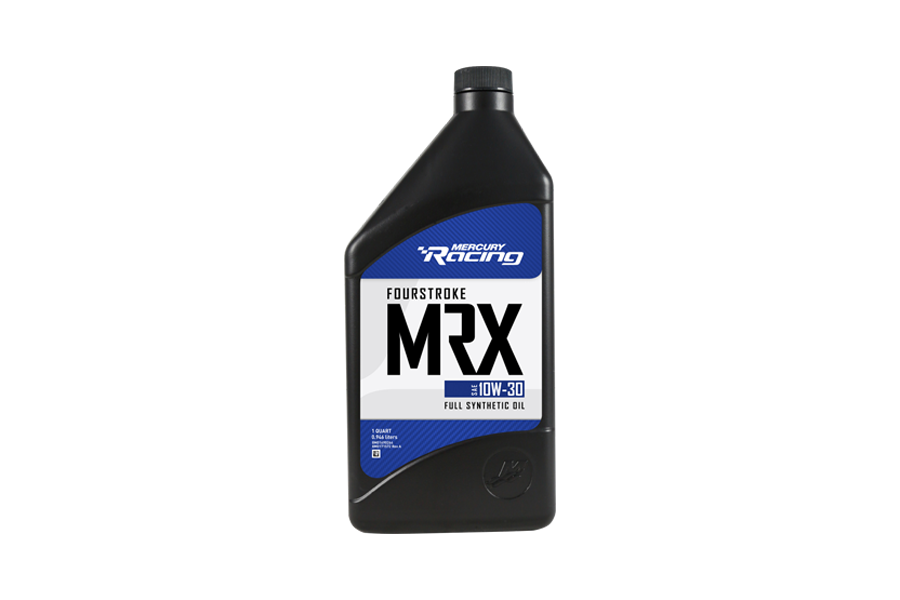
Run at the redline with premium lubricants formulated to protect high-intensity engines regularly pushed to extremes.
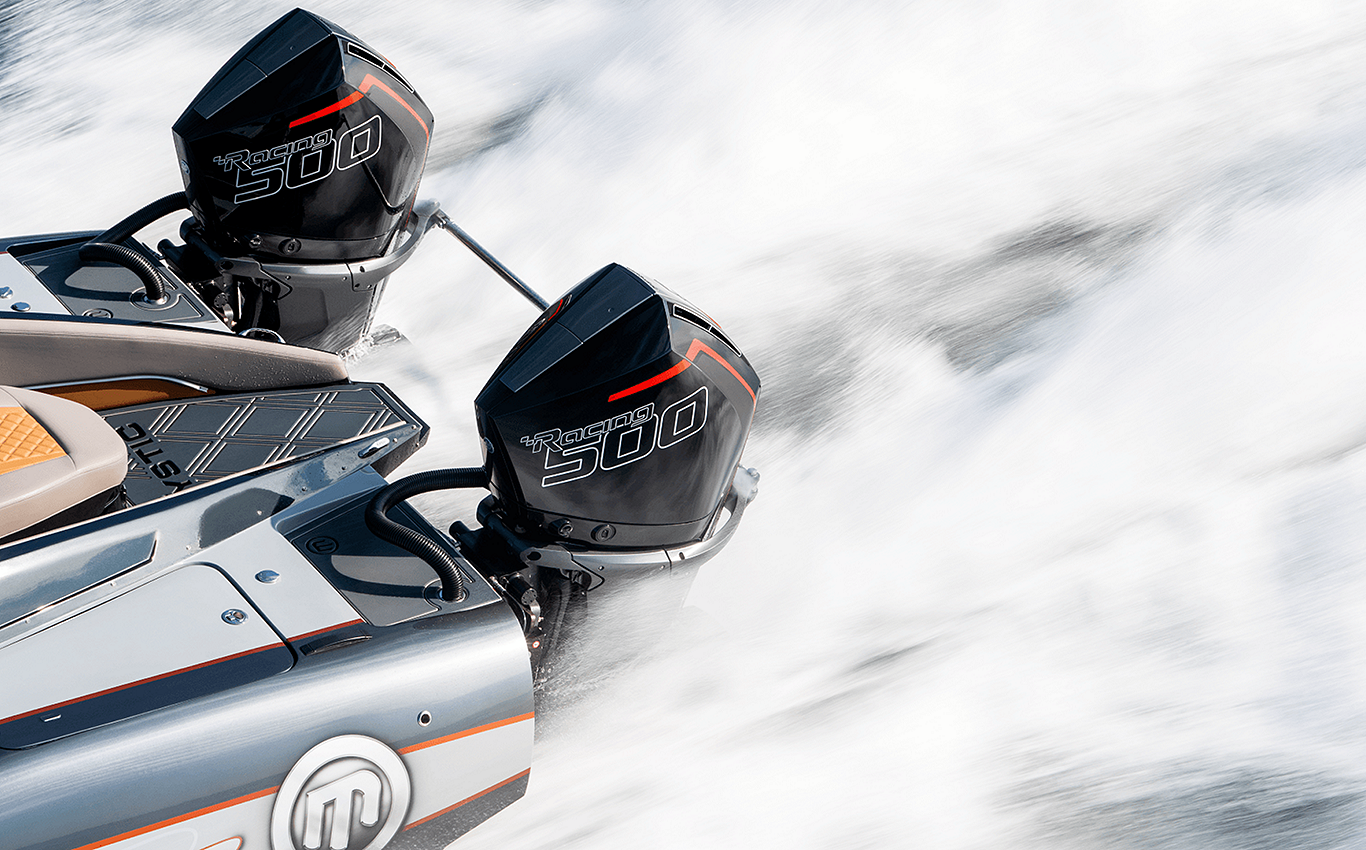
In a world that sets limits, Mercury Racing sets you free. We craft the most advanced high-performance marine propulsion systems on the water, empowering you to live life at the extreme.
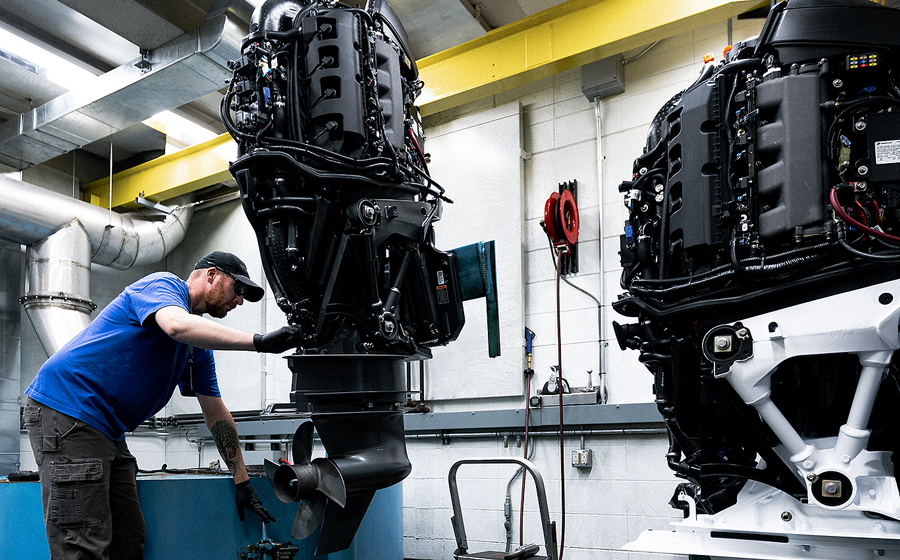
It began with an unquenchable desire to win. With roots in performance boat racing, we’ve spent more than five decades perfecting the art of speed while redefining what’s possible on the water.

Whether you want technical advice to unlock a new level of speed or you need routine service, Mercury Racing stands behind you with expertise and support.
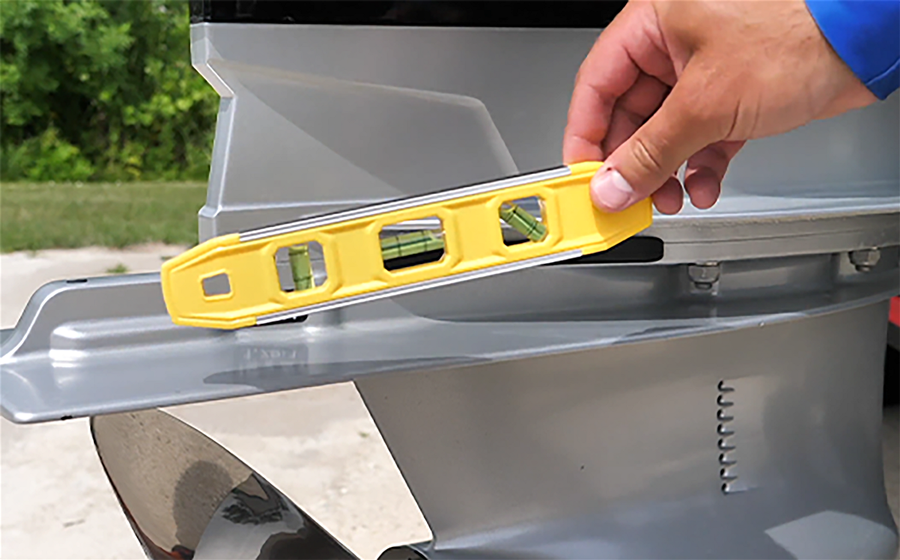
The QC4 Factory Refresh Program is a chance to turn back the clock by having the same team of master technicians who originally built your engine restore it to factory-fresh condition.
- R-Series Outboard
- Sterndrive
- Competition
- 500R
- 400R
- 300R
- 250R
- 200R
- 150R
- 60R


- Dual Cal 1550/1350
- Dual Cal 1350/1100
- 1100
- 700 SCI
- 600 SCI
- 565
- 520
- ROS
- APX
- Sterndrive
- Propellers
- Controls & Rigging
- Oils & Lubes
- Profile Series
- Precision Series
- Cases & Covers
- Prop Hub Kits
- Digital Zero Effort Controls
- Joystick Piloting
- Performance Active Trim
- Integrated Transom System
- X-Haust Noise Reducer
- K-Plane Trim Tabs
- DTS Performance Pedal

- Racing Lubricants
-
Events
Blog
- Collaborations About Mercury Racing Our Heritage