Accessories

Posts in the Technology Category

Erik’s Reality

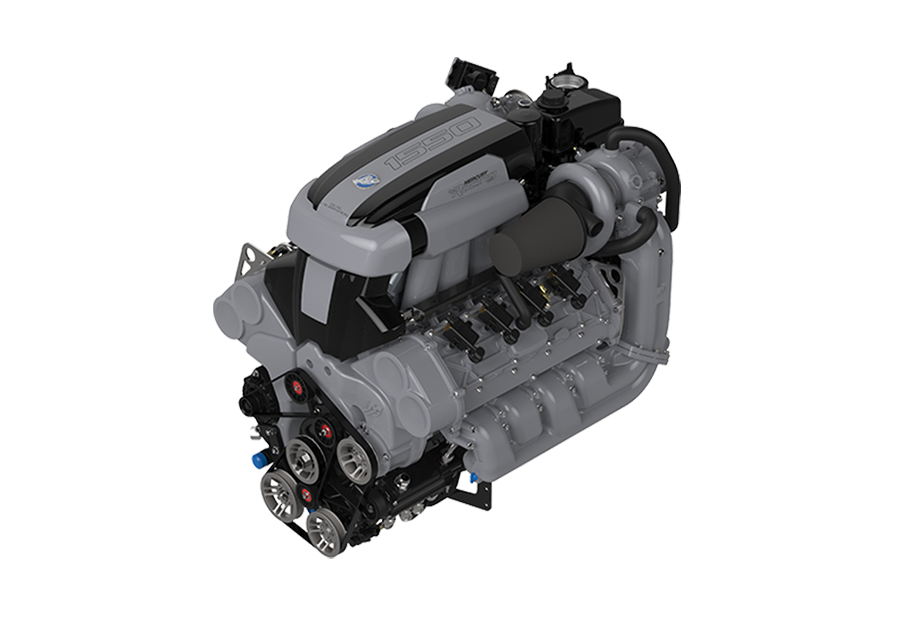
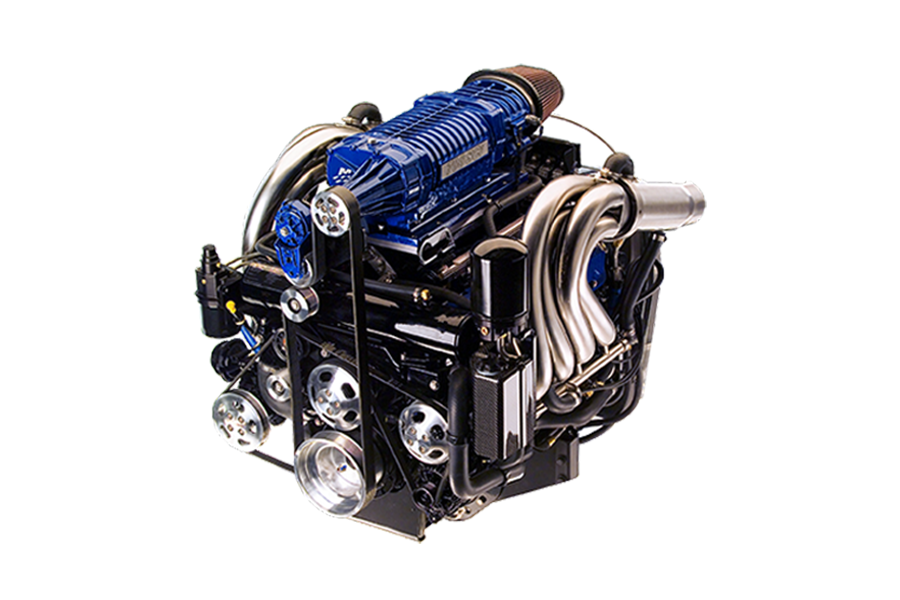
The all-new 1650 RACE features closed cooled turbochagers.

The all-new 1650 RACE features closed cooled turbochagers.

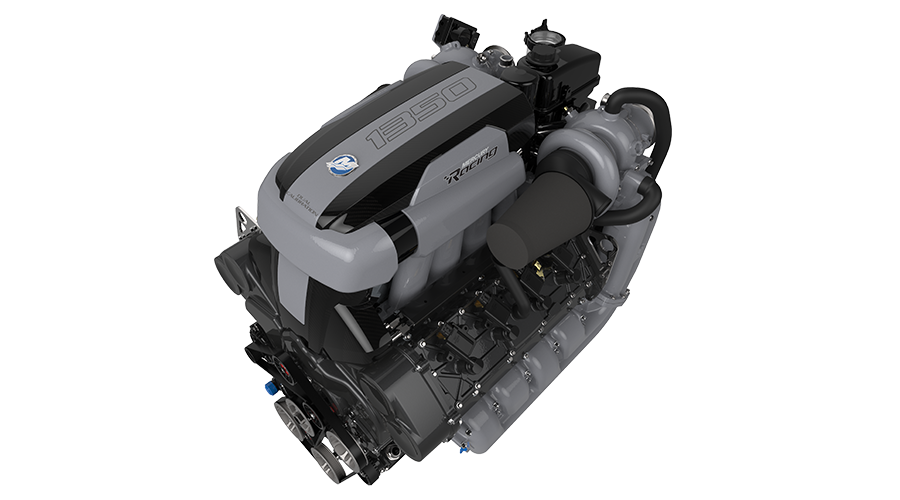
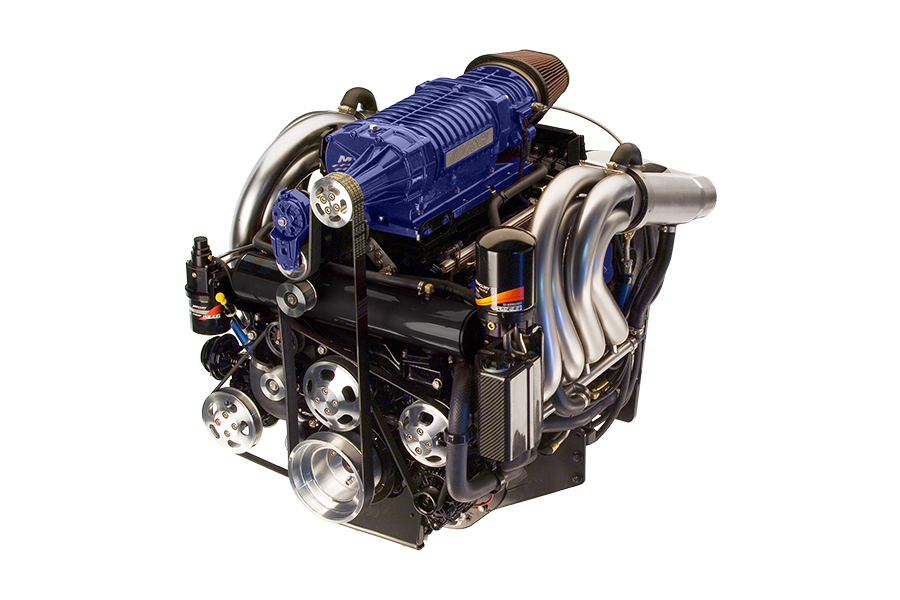
The 1350 is no longer the fastest or strongest in Racing's H.P. stable.

The 1350 is no longer the fastest or strongest in Racing’s H.P. stable.

It’s hard to believe a year has passed and the 2013 Miami Boat Show is underway. We’ve experienced some major events since our last visit to South Beach. Fred Kiekhaefer has moved on after 22 years of service. With Fred’s departure, Erik Christiansen has been named General Manager. Fred will continue to represent Mercury Racing over the next two years. In fact, he’s at the show. If your there, be sure to stop by the Mercury booth and say hello. Erik and our staff of sales, service and engineering personnel are there to support the brand as well.

I decided to forgo the show this year to be with my son. I’ll miss seeing everyone and the exciting new products being unveiled. Jay Nichols has ensured me he will keep me abreast of the action via his acclaimed photography.

Rumor Mill

The 1650 RACE features reversed colors from the std. 1350 offering.

The 1650 RACE features reversed colors from the std. 1350 offering.

Some of you may be aware of the rumor mill started a while back when Powerboat Nation posted a story speculating we were going to release a 1700 h.p. engine. The story featured a dated 1350 model shot. Erik squashed all rumors when he unveiled the all-new 1650 RACE sterndrive. Based on our exclusive quad cam, four valve 1350, this monster features new pistons, larger turbos and requires 112 AKI race fuel.

So there, PB Nation. You were correct in that – yes – we did release a higher power engine based on our exclusive quad cam, four valve engine platform. You were off on the power and color, however. And no, this is not your father’s poker run engine. It is a race engine that is sold, without warranty, to qualified powerboat racing professionals. I’ll make sure you get a press kit:) Read the rest of this entry »

1

Key West Poker Run Recap

The QC4v 1350 sterndrive always draws a crowd.

Mercury Racing was recognized for our title sponsorship at the Friday Night sponsor party.

Whew! I’m just getting back to a “normal” schedule after last week’s Key West Poker Run. It was a great event. We had people at the Mercury Racing truck from the moment we unloaded our 1350 and 565 display engines through the 10:00 p.m. closing time. It was non-stop action Thursday through Saturday. It’s always fun to meet and greet folks who enjoy our products. It is equally enjoyable to establish new relationships with future customers.

This year was the 20th anniversary of the event. Stu Jones and the Florida Powerboat Club staff didn’t disappoint. This has to be the largest gathering of performance boats on earth. It is also the largest gathering of performance boat builders and dealers. Industry movers and shakers included Reggie Fountain, Randy Scism (MTI), Peter Hledin (Skater), Chad Braver (Cigarette), Todd Warner (Statement), Nils Johnson and Trond Schou (Nor-Tech), Paul Loguidice (Hustler), David Woods and Scott Shogren (Pier 57). Read the rest of this entry »

565: How’d We Do That – Part 2?

Mercury Racing’s dynos enable precise calibration by our exceptionally talented engineering techs, like Johnny Bauer. They also validate that every production 565 meets its targets.

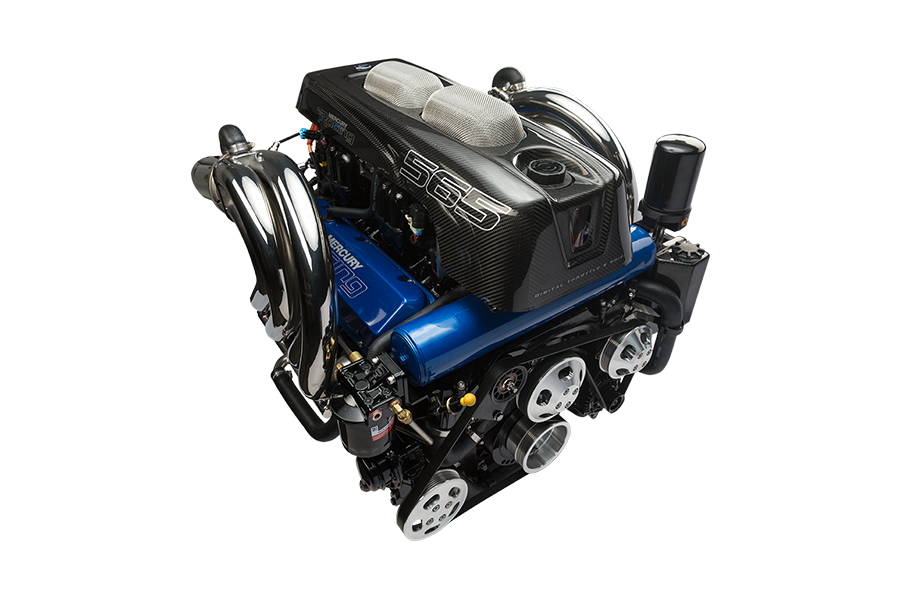
Mercury Racing’s 565 – with digital throttle and shift (DTS), better fuel economy and more grunt – prompted questions. Part 1 answered “How’d you do that?” by reviewing the 565′s torque and power. Part 2 continues to answer: We’ll discuss 565 fuel and DTS.

In this early development engine, one can see the two computer modules stacked behind the second throttle body. Also visible is the digitally controlled shift actuator – mounted on the transom for this test mule.

Fuel Economy. Miserly fuel consumption is a hidden benefit of digital instrumentation. Not just in the boat, but in our laboratory. Since we designed the 525EFI and 600SCi, we have substantially upgraded our dynamometers and engineering analysis tools. In large part, this was done for exhaust emissions, both design feasibility studies and product development, so that we could remain compliant with regulations. As a side benefit: we gained a capability to look at each individual cylinder’s behavior in much finer detail than ever before. Plus, our incredible technicians have the talent to do so.

Read the rest of this entry »

7

565: How’d We Do That – Part 1?

Mercury Racing’s 565 - with digital throttle and shift (DTS), better fuel economy and more grunt – prompted more than a few questions. Mostly variations of: “How’d you do that?” We agreed to blog and provide some answers. In Part 1, I’ll discuss about torque and power. Part 2, fuel and DTS.

Torque. How big are the bombs and where do they push?

The 565′s all new cylinder head flows about as much as is possible with a 2-valve.

As I said in discussing our QC4v 1350, “The Valve Train That Could,” bigger bombs make more power.  We pack more air because we designed the heads and inlet valves to flow better. Admittedly, they’re still two valve heads and not as free flowing as our four valve engines, but they’re better than our previous two valve designs. With more air, more fuel is added for combustion and makes a bigger bomb. Yet, fuel economy is better! How? Improved and more precise fuel delivery to each combustion event makes less wasted (unburned) fuel. Easy to say; hard to do – but we did it. (More about that in Part 2.) Read the rest of this entry »

1

Virtual Tour – Part 7: Cleaver Revolution

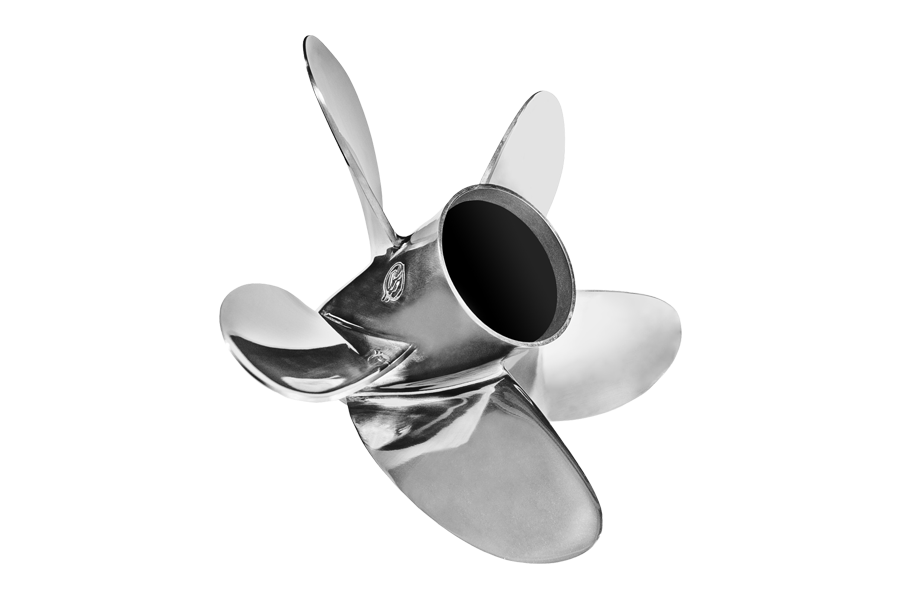
CNC machines produce our perfectly matched 5-blade or 6-blade cleaver propellers.

Skilled craftsmen hand-finish each CNC prop.

Continuing from Virtual Tour -  Part 6: Propellers…we’ll review the evolution of surface piercing propellers, culminating with our amazing CNC Sterndrive Cleavers.

I first reviewed my classic literature collection for information regarding the evolution of surface piercing propellers. Copy from the propeller section of  a 1972 Hi-Performance Mercury/MerCruiser Accessories catalog references our change from bronze to stainless steel that year. I sent Dick Snyder an e-mail to get his input regarding racing propeller history.

Dick Snyder

Three-blade “elephant ear” props on a quad 1250BP rig ready for testing at Lake X.

A 2-blade stainless prop on a merCruiser III drive. This drive was packaged with a 475 h.p. engine.

Dick Snyder was in charge of Mercury’s propeller engineering in the early ’60s.  “When I took over prop engineering in the early ’60s, I had inherited nothing but low rake (6 degree), 2-bladed props. We had no racing or hi-performance props. “There soon came a time when I fell in love with 15 degrees of rake and 3-bladed props for the added smoothness and a little better acceleration. You typically would lose a small amount of top-end going from a 2-blade to 3-blade prop. The higher 15-degree rake allowed the props to “hold” at greater trim angles for enhanced bow lift and greater hull efficiency. This resulted with even greater top-end speeds than the lower rake 2-blade props,” Dick explained. In 1984, Dick was promoted to Director of Mercury Hi-Performance. So he promoted Bob Hetzel to run Mercury’s racing prop and gearcase shop. “We had quite an interesting development of stainless steel props for racing, followed by replacing bronze for stainless steel on our recreational props,” said Dick. Read the rest of this entry »

9

Virtual Tour – Part 6: Propellers

A technician puts finishing touches on a 5-blade CNC Cleaver sterndrive propeller.

Checking blade thickness on a classic 3-blade outboard cleaver.

Continuing from Virtual Tour Part 5: Sterndrives, Transoms & Accessories…we will visit the Mercury Racing Propeller Department’s finishing area.

People are fascinated with propellers. The response to Scott Reichow’s Prop School blog series proves people are craving to learn more. Our visitors are a bit surprised when they enter Racing’s propeller finishing area. I think they are expecting to see a number of robotic machines pumping out finished propellers. Nope. What they do see is highly skilled craftsmen creating precision tuned works of art. Each puts their finishing touch on every propeller Racing makes – including our CNC machined Sterndrive Cleavers.

Lab Finished props gave Team Mercury a competitive edge in the outboard factory war days of tunnel boat competition.

Have props, will travel. A classic photo of Mercury’s mobile prop lab during the golden era of outboard factory tunnel boat racing.

The trademark, “Lab Finished,” was created by Mercury Racing back in 1970s – when factory outboard racing required a dedicated Engineering Lab to create specialized props. We have proven through the years that hand-working a prop enhances performance. This is particularly true for props run at elevated transom heights (surface piercing) and higher RPMs where impact-induced vibrations and other nuances are amplified.

Only a small percentage of our propeller line is designed specifically for racing. Our most popular propeller is mostly used for recreation: the Bravo I. We first enhanced performance of this MerCruiser sterndrive propeller by lab finishing them for racing. Read the rest of this entry »

1

Virtual Tour – Part 5: Sterndrives, Transoms & Accessories

Continuing from Virtual Tour – Part 4: Horsepower Highway…we will follow the assembly of Mercury Racing sterndrives, transoms and accessories.

Sterndrives

Mike Riedi inserts the drive shaft on a Bravo One XR Sport Master gearcase.

Mike lowers the Bravo One XR upper housing on the Sport Master gearcase.

Mercury Racing offers a variety of sterndrives fit for virtually any application. Bravo One XRs are enhancements of existing designs while NXT1, NXT6 and M8 drives were designed and developed in-house for Mercury Racing sterndrive packages. The Bravo One XR is a beefed up version of MerCruiser’s Bravo One drive. It was developed to withstand the rigors of offshore racing and performance boating. Our Bravo One XR Sport Master drive targets surface piercing applications. Bravo One XR and Bravo One XR Sport Masters are popular options for boats fitted with 525 EFI, 565 and 600 SCi engine packages. Mike Riedi, who has over 30 years experience building high performance outboard gearcases, also builds Bravo Sport Masters.

Transoms

Joe Backhaus building a M series transom plate.

Dave Vehrs preparing a NXT6 drive for the installation of the dry-sump oil pump.

Joe Backhaus builds Integrated Transom Systems (ITS) for Bravo One XR and Bravo Three XR drives. He also assembles M-Series transoms used with Mercury Racing  NXT1, NXT6 and M8 drives.

Next door to Joe, Dave Vehrs (when not man-handling our 18-wheel Marketing big rig in the Arizona Desert or Florida Keys) builds the drives to go with Joe’s transoms.

When I first started working here, I attended outboard and sterndrive service schools. Drive building was the sterndrive school’s main focus. A beginner quickly learns the challenge of building a drive – over and over – to get the shimming right for correct gear tolerances. It was with this experience that I gained an appreciation for what Mike and Dave do every day. I’m still a rookie; these fellas are top-shelf pros. Read the rest of this entry »

Virtual Tour – Part 4: Horsepower Highway

Continuing from Virtual Tour – Part 3: Outboard Production…we will follow the assembly of Mercury Racing big blocks – those based on GM’s 502 c.i. platform.

Horsepower Highway

Jon VanDenBogart prepares to install a crankshaft in a CNC machined 502 cu.in. cylinder block.

Pre-assembled pistons and connecting rods are matched to a designated cylinder block to ensure proper fit and function.

“Horsepower Highway” is where our 525 EFI, 565, 600 SCi , 662 SCi and 700 SCi sterndrive engine family is built. One technician hand builds each engine from a bare cylinder block to a “long block” (with all the rotating and reciprocating bits fitted inside). Sub-assembly work prior to an engine build includes the rotating assembly: balancing a crankshaft,  matching it with a camshaft, pistons, rings, and connecting rods for later fitment into the block.

Horsepower Highway was conceived, engineered and built in-house. It features a unique rail system and assembly fixtures used to transport cylinder blocks along the line. At each station, all the required tools and components are located for assembly. Each technician controls the speed of his build, moving the block along at their own pace. If something doesn’t look right, it is his discretion to stop right then and there. The build begins with installation of a camshaft. Next is the installation of a crankshaft, timing chain and matched piston and connecting rod sets. The bottom end is sealed with the installation of the oil pan.

The engine is rotated on its assembly fixture to enable work on the top end: The cylinder heads are installed; then push rods and rocker arms. Temporary valve covers mask the valve train prior to paint. An intake is the last component installed before the long bock goes to our paint line. Upon return from paint, it goes back on The Highway for installation of a bell housing.  Color matched valve covers replace the temporaries to complete valve train assembly. Transmissions for NXT1 or NXT6 drive models are installed at this point as well.

Jon rolls a 700 SCi long block along Horsepower Highway.

It’s not everyday one sees a Nanna Yeller 565 rolling along The Highway. Mike Rebedew puts finishing touches on the 8.7 Liter long block.

Long blocks for various engine models look similar. One noticeable difference is the intake (long blocks with naturally aspirated intakes are destined to become 525 EFIs or 565s; those with pressure charged intakes will become 600/662 or 700 SCi’s). Custom color long blocks stand out, too. The “dress line” is where an engine get its true personality. Read the rest of this entry »

27

Virtual Tour – Part 3: Outboard Production

Continuing from Virtual Tour – Part 2: Quality, Paint, and Quad Cam Production…we will follow the assembly of a Mercury Racing OptiMax 300XS outboard.

2-Cycle Outboards

Gary Aman lowers a 300XS powerhead into position for final engine assembly.

Mike Riedi has over 30 years experience handcrafting high performance gearcases.

Consumer, government and race outboards, featuring Mercury’s low-emissions, direct fuel injected 2-stroke OptiMax powerheads, are assembled at Mercury Racing’s factory in Taycheedah, Wisconsin. Consumer models include the 3.0 Liter OptiMax 250 SportXS and the 3.2 Liter OptiMax 300XS outboards. Watch for a future post on the OptiMax JP, an outboard we build for the government.

The competition outboards produced in Mercury Racing’s factory include our 2.5 Liter OptiMax 200XS SST (Super Stock Tunnel) and 2.5 Liter OptiMax 200XS ROS (Race Offshore). However, Racing’s four strokes — the 60 EFI FormulaRace and the Verado 350 SCi — while designed and validated here, are built off-site at other Mercury facilities in order to share common (and expensive to replicate) production processes.

OptiMax 300XS powerheads await their turn on the dyno.

Mike Hammer inspects each cylinder with a bore scope camera.

OptiMax powerheads are manufactured complete, to Racing’s specifications, at Mercury Marine’s headquarters campus — home to Mercury OptiMax outboard production in Fond du Lac, Wisconsin. Upon their arrival at Mercury Racing, a powerhead’s first stop is one of our 2-cycle dynamometers. Upon completing a power run, they move to Racing’s 2-cycle department. There, technicians inspect the cylinders, to ensure proper wear patterns, prior to final outboard assembly. Meanwhile, another technician is working his magic: handcrafting a gearcase that will efficiently transfer 300 h.p. to the water. Read the rest of this entry »

3

Virtual Tour – Part 2: QC, Paint & QC4v

Continuing from Virtual Tour – Part 1: Intro.… we will visit Mercury Racing’s Quality Control and Paint Line.  We’ll end up in the 4-Cycle Race Shop where technicians build our exclusive quad-cam, four valve sterndrive engine family. Lets go!

Quality Control

Quality Control plays a critical support role in Racing's manufacturing processes.

The automated Coordinate Measurement Machine is the newest addition to our Quality Control room.

Wherever we can, quality control (the discipline) is built into our production processes. Got to build it in; can’t inspect it in. Quality Control (the department) supports these quality processes (trust but verify) — and measures tolerance’s on everything from machined castings, gears, cylinder bores, pistons, crankshafts and anything else used in the production of Mercury Racing products. QC also plays a critical role in the in-house prototype development of new products. This place was buzzing with activity during the development of the QC4v sterndrive engine platform because so much was new — suppliers, parts and processes. Read the rest of this entry »